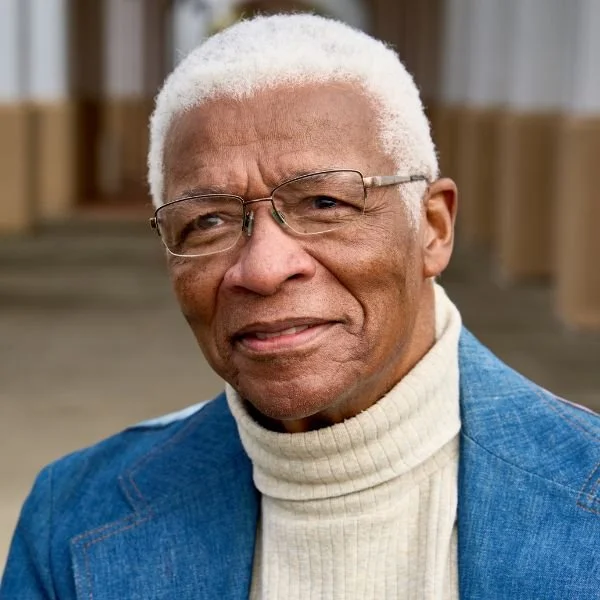
"Most people do not listen with the intent to understand; they listen with the intent to reply." — Stephen Covey
Listen to, or read this meditation:
Vulnerable communication goes two ways. Sharing is brave. But listening well is just as important.
When someone opens up to you, how you respond decides whether they will ever do it again. A kind, steady response makes people feel safe. A careless one makes them close up.
Here Are Some Common Mistakes.
Most of us mean well. But we often respond in ways that don't help:
Fixing: "Here's what you should do."
Minimizing: "It's not that bad."
Comparing: "That's nothing. Let me tell you what happened to me."
Judging: "Well, maybe you shouldn't have…"
Changing the subject: Because feelings make us uncomfortable.
These responses tell the person, "Your feelings are too much." That's not what you want them to hear.
What Helps Instead
Step 1: Stop what you're doing. Put down your phone. Turn toward them. Your attention says, "You matter."
Step 2: Let them finish. Don't rush in with advice. Silence is okay.
Step 3: Reflect what you heard. Say, "It sounds like you felt really alone." This shows you understand.
Step 4: Validate their feelings. You don't have to agree with everything. Just say, "That makes sense," or "That sounds really hard."
Step 5: Ask before helping. Try, "Do you want advice, or do you just want me to listen?" Many times, people only need to be heard.
Step 6: Say thank you. "Thank you for trusting me with that" is one of the kindest things you can say.
You Must Protect Their Trust.
What someone shares with you is a gift. Don't repeat it to others unless they give you permission. Trust takes a long time to build and only a moment to break.
Your Action Step:
In your next conversation, practice listening without giving advice. Reflect back what you hear once or twice. Then end with: "Thank you for telling me."
— Detroit